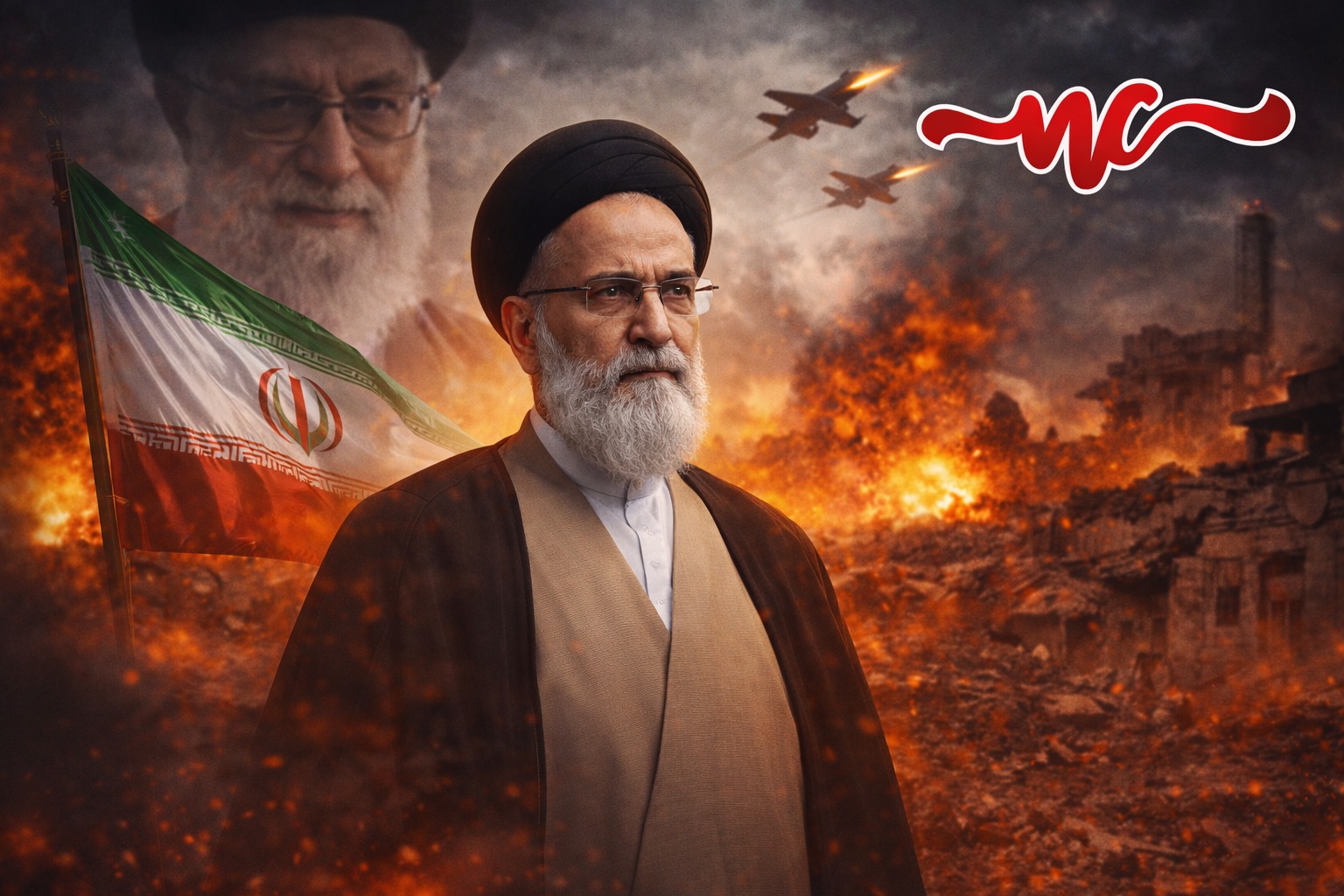
Ayatollah Alireza Arafi now leads Iran. The appointment came fast. Tehran named him interim Supreme Leader after Ayatollah Ali Khamenei died in joint US-Israeli airstrikes late February 28, 2026.
Khamenei ruled for nearly 37 years. His death in the strikes on Tehran triggered immediate succession proceedings. Iran State TV broke the news with the announcement: the leader “joins the highest kingdom, drinks the nectar of martyrdom.”
The Cleric Who Climbed Quietly
Arafi was born in 1959 in Meybod, Yazd province. He studied theology in Qom. Over decades, he built standing inside Iran’s religious institutions without much public fanfare.
Khamenei himself appointed Arafi to key posts. These included Friday prayer leadership in Qom. A quiet but steady climb inside the establishment.
He chaired Al-Mustafa International University. The institution trains clerics from Iran and abroad. In 2019, he joined the powerful Guardian Council, the body that vets laws and candidate lists.
According to the Times of India, Arafi holds the rank of mujtahid. That qualifies him to issue independent Islamic legal rulings. His mix of theological and administrative roles placed him firmly in the clerical core.
Curious what else is rattling global order right now? Read: Trump Bans Anthropic: Military AI Deal Ends in Flames
What the Constitution Actually Says
Iran’s Constitution requires the Assembly of Experts to pick a new Supreme Leader. The body is made up of elected religious scholars. Until that decision lands, an interim leadership council carries out core functions.
Arafi sat on both the Guardian Council and the Assembly of Experts. That dual position gave him institutional weight. When succession came, he was already inside the room.
The Middle East Institute notes Tehran will run an interim council. This buys time for the formal selection process. Still, no timeline has been set publicly.
According to the Times of India report, competing names circulated in state media ahead of Arafi’s appointment. Both hard-line and more pragmatic clerical factions had candidates. Arafi emerged anyway.
Must Read: DOJ Seizes $61M Tether Tied to Pig Butchering
Tehran Under Pressure From Every Angle
Arafi has spoken about seminaries playing a political role. He previously said Iranian seminaries need to be “from the people, in solidarity with the downtrodden, be political, revolutionary, and international in approach,” as reported by the Times of India.
That outlook matches the Islamic Republic’s traditional ideological posture. But observers note something important. Arafi holds no independent political base outside institutional structures. His authority is tied to the system that appointed him.
Iran is now dealing with airstrikes, active regional conflict, and nationwide mourning. This is only the second supreme leadership transition since the 1979 Islamic Revolution. The pressure is not small.
How Arafi balances religious authority with those external pressures will define his interim tenure. The international community is watching closely. So is Tehran.
This article was created by News Coverage Agency, the best PR agency helping all firms in getting access to media.