
People search web3 marketing vs advertising as if they’re picking one. They aren’t. Advertising is one part of marketing, the part where you pay for a message to be placed. Web3 marketing includes it, then adds everything you don’t pay for directly.
Three kinds of media
Tap each to see how it works for a blockchain project.
Why Paid Reach Is Thin in Crypto
In most industries a new company can fund its way to an audience. Crypto can’t, because the biggest ad networks restrict it. Google requires approval for exchanges and wallets and declines ads for anything that buys, sells or trades tokens. Meta requires advance written approval for a number of crypto services. We summarized both in our plain explainer.
What’s left is crypto-native networks, sponsored articles and creators. They work, and they also carry the heaviest disclosure duties, covered next.
Web3 Marketing vs Advertising on Disclosure
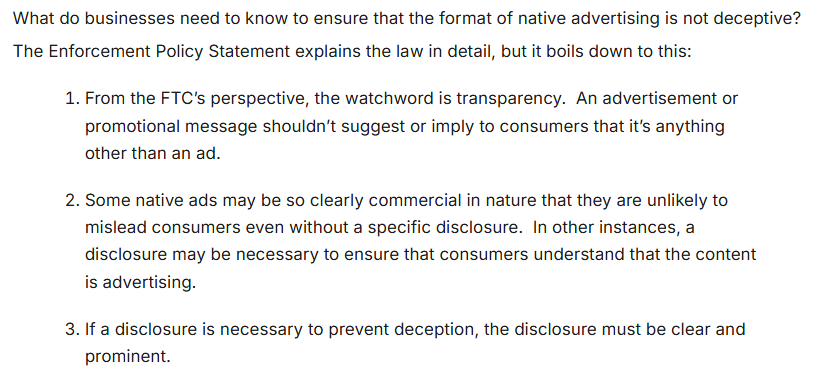
The difference that matters most in practice isn’t cost. It’s honesty about who paid. The FTC’s guide to native advertising says its watchword is transparency, and that an ad shouldn’t suggest or imply it’s anything other than an ad. If a disclosure is needed to prevent deception, it must be clear and prominent.
A sponsored article on a crypto site that reads like news fits this exactly. Label it. If you’re buying one, the price ranges in this placement cost guide show what the market charges. Then the outlet tier piece helps you judge whether the audience is worth it.
What Marketing Does That Advertising Can’t
Advertising reaches people. It doesn’t answer their doubts. A reader who sees an ad for a new protocol asks the same questions every time: who built it, was it audited, and how do users exit? The answers live in docs, community replies and independent articles, which are owned and earned media.
That’s why a project can spend heavily on ads and still stall. The ad earns a click. The page behind it has to earn trust. If you plan creator spend, choose carefully, and this KOL platform comparison is a starting point.
How to Measure Each Side
Advertising is easy to measure. You get impressions, clicks and cost per sign-up, and you can stop the day it stops paying. That clarity is its strength. In web3 marketing vs advertising comparisons, this is where ads usually win.
Earned and owned media are harder to pin down, but not impossible. Track how many new users arrive from an article link, how often reporters reply to your pitches, how many questions your docs now answer without a human, and how many people return after a week. Use tagged links on every placement so you can tell sources apart. None of this is as neat as a click report, yet it tells you what builds trust, and trust is what keeps a user past the first transaction.
A Simple Way to Mix Them
Use owned media first, because it’s the base. Add earned media next, because it makes the base believable. Then add paid media to amplify what’s already credible, and aim it at the moment you need attention, such as a launch week.
Don’t copy a fixed split you read somewhere. Some agencies quote ratios, but those come from their own client mix. Test with small amounts and keep what you can measure.
One more habit: write the headline of the earned story before you pay for anything. If you can’t state the news in one line, an ad won’t fix that. Our headline analysis has patterns from real crypto releases.
NCA works on the earned side, writing stories and building the outreach for blockchain teams. Describe your next announcement and we’ll tell you what we’d pitch.