

A crypto points program works because users expect something later. That expectation is also the communications problem. Whatever the team says, or fails to say, shapes what holders believe they’ve earned.
Variant described the dynamic in February 2024. Its summary of a roundtable says user behavior in web3 is skewed by a belief, justified or not, that points will eventually convert into tokens. For that reason, points have been extremely effective for acquisition. They’ve also been a setup for disappointment when the conversion isn’t what people assumed.
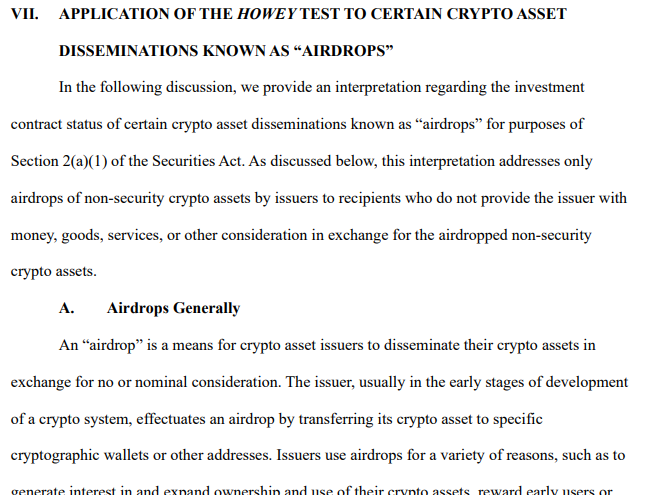
Regulators have started to address the territory. In its March 2026 release, the SEC gave an interpretation on airdrops. It covers only airdrops of non-security crypto assets to recipients who give the issuer no money, goods, services or other consideration in exchange.
What a Crypto Points Program Can and Cannot Promise
The release lists tasks that count as providing a service. Following the issuer on social media, reposting its post, writing an article about the project, referring another person or fixing bugs all appear. Those airdrops fall outside the interpretation, which says it doesn’t cover them.
A footnote adds two points worth knowing. General statements about the possibility of an airdrop are fine, provided they don’t give terms or conditions. And where the issuer announced an airdrop during a testing phase to encourage engagement, limited to users of that phase, the interpretation would not pertain.
Read together, that suggests something specific. A points season built on tasks, and announced in advance with a promised reward, probably sits on the far side of the line. That’s one reading to test, not legal advice. Each design needs a lawyer’s review.
Earning Rules and Anti-Farming Checks
Publish the earning rules of a crypto points program plainly. What actions earn points, how they’re counted, how often balances update, and how suspected bot activity is treated. Because farming is expected, say in advance how disqualified accounts will be told and how they can appeal.
But rules will change. State that up front, and say how notice will be given. A silent change to the formula can turn a loyal community into an angry one overnight.
Messaging That Avoids Promising a Token
Compare two lines. Points will become tokens. Points record activity during this season, have no cash value, and don’t entitle anyone to tokens unless terms are published later. The first is a promise, while the second is a description.
Teams that already work on airdrop marketing without bot armies know the temptation of hype posts. In a crypto points program, hype copy from the team, the community managers and paid creators all count as statements the project made.
Disclosure Language for a Points Season
Instead of a footer, put a short disclosure where users see their balance. Say what points are, what they aren’t, and where full terms live. Repeat it in the FAQ and in any creator brief. Keep the wording identical, because small differences create arguments later.
Ending or Converting a Season
Announce the end date well ahead. Say whether balances reset, carry over or convert, and give the rules before the final snapshot, not after. If a token will follow, treat that as a separate legal question. The SEC’s token offering proposal and how a buyback notice should be worded show how closely regulators now read public statements.
Explain the rest of the plan with care. Telling a token’s economics clearly should never rely on points as a hint of allocation.
Crypto points program: communications check
Run these lines before a season opens, and again before it closes.
NCA drafts points program rules, disclosures and end-of-season notices for crypto teams. Send over your draft rules and get them reviewed before the season starts.