
A founder emails an agency and writes, “We need marketing, mostly PR.” Nobody on the call questions it. Three months later the invoice has a coverage report attached and the user numbers haven’t moved. Both sides are confused, and both sides are right.
Crypto pr vs marketing isn’t a contest. They solve different problems, and mixing them up wastes the money you meant to spend on either.
Crypto PR vs Marketing: Two Definitions Worth Reading
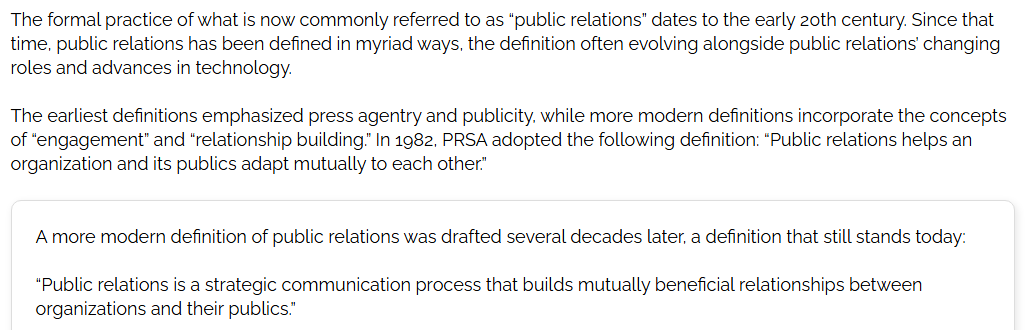
Start with the plain words from the two professional bodies. PRSA, the US public relations society, calls public relations “a strategic communication process that builds mutually beneficial relationships between organizations and their publics.” The American Marketing Association describes marketing as the activity, set of institutions, and processes for creating, communicating, delivering and exchanging offerings that have value for customers.
Read them side by side, and the split shows. Marketing is about the offer and the exchange: someone gets a product, someone pays or uses it. Public relations is about relationships and reputation. That includes people who’ll never buy anything, like reporters, regulators and exchanges. The AMA wording is on its definition page.
What the Work Looks Like in Practice
Say a lending protocol launches a new vault. Marketing writes the landing page, runs creator posts and tests onboarding. It tracks how many wallets deposit. PR writes a fact sheet and finds three reporters who cover lending. Then it offers a quote from the lead developer, and prepares an answer to “what happens if the oracle fails?”
One chases the action, while the other earns the belief that makes the action feel safe. But in a market where anonymous teams and failed projects taught people to doubt, belief is a real cost. A good article often does more than a week of posts.
Where PR and Marketing Overlap, and Where They Clash
They overlap on content, events and creators. For example, a conference talk is a marketing asset and a PR opportunity. A founder interview feeds both. But they clash on control. Marketing writes its own message and runs it as often as the budget allows. PR hands facts to a third party, who decides what to print and how. You can’t pay a reporter for tone, because trying ruins the relationship.
That difference is why the success measures differ too. Marketing counts deposits, mints and sign-ups. PR, instead, counts the quality of placements and whether reporters come back. Our outlet tier guide explains how to judge a placement beyond its logo.
Which to Fund First: PR or Marketing
Here’s a rule that holds up. If nobody can check who you are, then start with PR-style proof: a named team, an audit, a clear fact sheet and one credible article. When people know you but don’t use the product, start with marketing: onboarding, offers, channels. And if both are weak, fix the product story first. Neither discipline can sell what you can’t explain.
Fund PR or marketing first?
Three situations. Choose the smarter first move.
Budget Split Without the Guesswork
Teams often ask whether to hire an agency, a freelancer or an in-house person. Think about the work, not the title. Press relations needs existing reporter contacts and a steady rhythm, so it suits an agency or a specialist. Channel marketing needs daily attention to your own community, which suits someone inside. Many teams run a small in-house marketer with an outside PR partner, and the crypto pr vs marketing question then becomes a question of who owns which result.
There’s no honest universal ratio. Early teams with thin credibility lean toward PR work, perhaps a third of the plan. Proof is cheap, while paid reach is often restricted by the platforms. Mature products with known names lean toward marketing. Whatever the split, still keep a line for reactive work, as described in the two-hour newsjacking process.
For the wider view, see how we define the discipline in our plain-English explainer and how stage changes the plan in the strategy guide. Reporters also respond differently to different requests, a topic we cover in the expert-source platform review.
NCA focuses on the PR side: fact sheets, reporter lists and pitches for crypto teams. Tell us what you need coverage for and we’ll say whether PR is even your first move.