
Crypto marketing for beginners usually gets taught backwards. A new founder is told to buy influencer posts and run a giveaway, then wonders why nobody trusts a project with no team page.
This is the order that works when you’re alone, nearly broke and starting from nothing. It takes about ninety days.
Crypto Marketing for Beginners Starts With a Page, Not a Campaign
Before anyone sees an ad, they’ll look you up. What they find decides everything. Build a single page that answers the boring questions: who’s behind it, what the product does, where the code lives, who checked it.
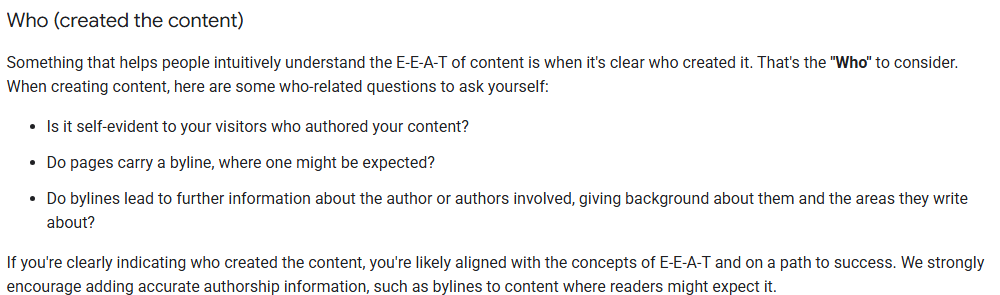
Google’s own guidance for creating helpful content is a good checklist here. In the “Who” part it asks whether it’s self-evident who authored the content, whether pages carry a byline, and whether bylines lead to more about the author. It also warns against fabricated creator profiles, such as made-up names or false credentials.
Anonymous teams exist in crypto, but a beginner can’t afford the doubt that comes with one. Put real names, real faces and a way to reach you on the page. Add a short company description too, and this boilerplate guide shows how to write one that reporters can paste.
Pick One Place to Talk to Users
Beginners spread thin: a Telegram group, a Discord, an X account, a Reddit presence and a YouTube channel, all half-empty. Choose one. Wherever your first users already ask questions is the right answer. You’ll know it because you’ve seen them there.
Staff it yourself at first. Reply to every message, save the repeated questions and turn them into docs. After two weeks you’ll have a list of what confuses people, and that list is worth more than any keyword tool. Our plain definition of the field, in the crypto marketing explainer, covers the other channels you can add later.
Earn One Outside Voice
Around week five, ask for something small from someone else: a reporter, a creator, a newsletter writer. Not a paid post. A mention, a quote, a short article. One independent source does more for a stranger’s trust than a hundred of your own posts, because it isn’t you saying it.
Keep the target list short, five to ten names, and read their recent work before writing. Share a clean press kit that lets them verify your claims in a minute, plus a tidy media list that keeps you from pitching the wrong person. If you have a real launch, the mainnet announcement guide shows what to include.
Mistakes That Cost Beginners the Most
Three show up again and again in crypto marketing for beginners. The first is buying followers or engagement, which fools nobody who checks and poisons later numbers. The second is promising returns, price targets or guaranteed outcomes in any post, since that invites regulators and platform bans. The third is copying the voice of a big project. Their tone works because they have proof behind it, and you don’t yet.
Keep your first three months boring and honest. Write plainly, answer fast, and publish only things you can back up.
Paid Reach Comes After Proof
Be careful with paid ads. Google refuses ads that sell or trade coins, and Meta asks for written permission for many crypto products. Check each platform’s policy page before putting money in. Even when an ad is allowed, it sends strangers to the page you built first. A weak page wastes the spend.
Count Only What Matters in Your Marketing
Pick three numbers and ignore the rest. Wallets connected, first actions completed, and returning users after seven days. Followers and likes feel good and prove little.
At day ninety, look at the three numbers and at what you published. Keep the one tactic that moved a number. Drop the rest without regret. Then move up to a stage-based plan, which fits teams with a live product.
NCA works with early crypto teams at exactly this point. Tell us what you’ve built so far and we’ll suggest the first pitch worth sending.