

A crypto media list is only useful if every name on it is a real, current person who covers what you’re pitching. Most lists fail on that test. They’re long, they’re old, and half the contacts have changed beats or left the outlet.
Muck Rack’s guide to media lists says a good one is highly organized and updated often. It also says buying a list is never recommended. The reasons it gives are blunt. Quality can’t be trusted, a spammy reputation is a risk, and addresses may have been harvested illegally.
Columns a Crypto Media List Needs
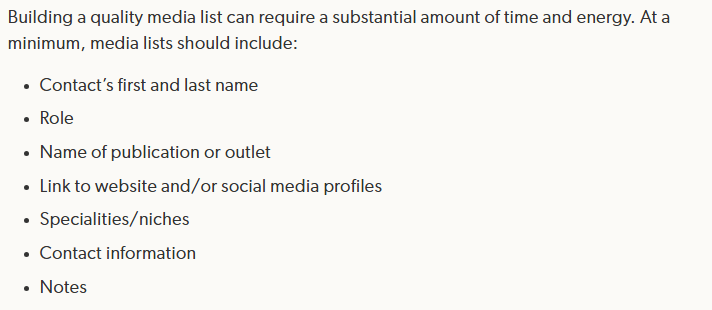
Start with Muck Rack’s minimum: first and last name, role, outlet, a link to the website or social profiles, specialities, contact details and notes. That covers any industry. Crypto needs a few extra columns on top.
Give every row on a crypto media list a beat tag, such as regulation, markets, DeFi or NFTs. Next comes a region and language, because coverage differs by market. A time zone feeds send-window planning. Then include a preferred channel, a last-verified date and a last-pitched date. The last two stop you from emailing the same person twice in a week.
Finding Reporters by Beat
Muck Rack breaks the job into four steps. Identify the audience, target the contacts, niche down, then organize and segment. Its advice on the second step is practical. Write a list of key terms first. Search social channels as well as Google, and look at outlets that cover your competitors.
For a crypto project, read the bylines. Pick five recent stories on your exact topic and note who wrote them. Muck Rack also reminds readers that lists can include podcasters, newsletter creators and influencers, not only reporters. In crypto, a newsletter writer can matter as much as a desk reporter.
Verifying a Contact Is Current
Muck Rack asks one question to repeat for every name: is this person still working for this publication? Check the latest byline date before adding anyone. A reporter with no story in six months deserves a second look.
After that, watch for bounce-backs, role changes and new contacts, and run a regular audit. A stale list wastes time and can damage credibility, the guide says. Because roles change often, a quarterly check is a sensible floor.
Scoring and Tiering Your Contacts
Score each contact on your crypto media list on three things. How closely their beat matches the story, whether they’ve covered the topic recently, and how much reach their outlet has. Contacts scoring high on all three go on the short list for exclusives. A tier map for crypto outlets helps set the order of outreach.
Keep a master list and build a campaign list from it for each announcement. The campaign list stays small. The master list holds everything you’ve verified.
Email Rules for Media Outreach
Outreach has legal edges that PR guides skip. The FTC’s CAN-SPAM guide says the law covers all commercial messages, not just bulk email, and makes no exception for business-to-business email. Whether a particular pitch counts as commercial is a question for counsel.
Still, the safe habits are cheap. Use accurate From and Reply-To details. Write a subject line that matches the content. Include a physical postal address and a clear way to opt out, and honor opt-outs within 10 business days. The FTC says each separate email in violation can bring penalties of up to $53,088. Read its compliance guide before the first send.
Keeping the List Clean
Log every reply, bounce and opt-out the day it arrives. Note personal preferences, as Muck Rack suggests, such as a reporter’s preferred pitch time. Building lasting press relationships depends on that kind of detail. The same goes for what you send once the list exists.
Crypto media list: starter checklist
Set up the sheet with these lines before adding contacts.
NCA builds and maintains verified media lists for crypto announcements, with the supporting press page ready. Ask the team about a list audit before the next send.