

A crypto press kit has one job. It lets a reporter on deadline get approved copy, a usable logo and a checkable fact without emailing anyone. There’s little published data on which files reporters open most. The honest approach is to look at what published guides and real projects include.
Presspage’s 2026 guide, dated July 30, lists the core pieces. A short company overview and an approved boilerplate come first. Logos in several formats with usage guidance follow. Then come headshots in high and web resolution, spokesperson bios, a fact sheet with key dates and figures, and media contacts with working hours.
The same guide argues that an online newsroom beats PDFs and shared drives as a home for the kit. It wants stable URLs, mobile-friendly pages and a quarterly review. That’s sensible for a crypto press kit too, but crypto teams need a few extras.
What a Crypto Press Kit Includes Beyond the Basics
Start with a real example. Gnosis Chain keeps its media kit in a public GitHub repository with fonts, logos, a brand guidelines PDF and a README. The README holds four taglines, each written for a different audience, plus descriptions at one sentence, two sentences and longer.
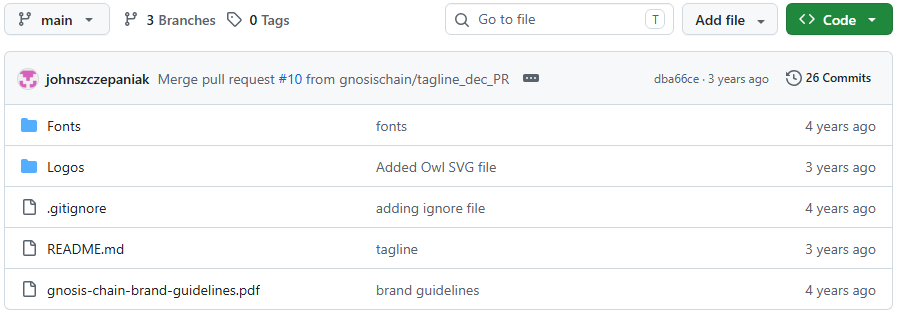
Copy at three lengths is the detail worth stealing. A newsletter wants one sentence, while a feature wants a paragraph. Because reporters shouldn’t have to cut either down and risk changing the meaning, the kit should supply both.
Then add what only a crypto project needs. The official token name and ticker. Verified contract addresses and explorer links. Audit reports with dates. A list of official social accounts, because impersonators exist. And a line on legal entity and jurisdiction.
Fact Sheets Reporters Can Check
A fact sheet should hold numbers that can be verified in a minute. Launch date, supply figures, validator or user counts, funding raised. Each one needs a date, because figures age. The Gnosis README quotes a validator count, while GitHub shows the repository’s last commit as three years old. It’s a fair reminder that a kit decays quietly.
Reporters test claims before they print them, and what journalists check before publishing is a useful guide to which figures need a source link beside them. Anything unsourced in the kit should be left out.
Hosting and Naming for a Crypto Press Kit
Put the crypto press kit at a plain URL such as /press, with no login and no expiring link. Offer a single zip for logos, and individual files for anyone in a hurry. Name files so they explain themselves, for example project-logo-horizontal-white.png. A folder of final_v3 files costs reporters time.
Add a last-updated date at the top and mean it. If a spokesperson leaves, change the bios the same day. Media training for founders works best when the spokespeople listed in the kit are the ones who’ve actually prepared.
How the Kit Fits a Launch
The kit is the quiet half of an announcement. When news goes out under a reporter agreement, the kit should be live and ready before the first email, and the link should travel with it. Setting up a clean embargo explains the timing side.
It also supports the outlets lower down the list. A tier-one desk might call for a quote, while a smaller site may just lift your copy and logo. Grouping outlets into tiers helps decide who gets the longer kit and who gets a summary page.
Pair it with a sharp pitch. a step-by-step pitching guide and the filters newsroom editors apply explain why the kit can’t rescue a weak story, but can speed up a good one.
Crypto press kit: contents check
Tick each item as it goes live on the press page.
NCA builds and maintains press pages for crypto teams, including the copy at every length. Ask about a press page build while the launch date is still open.