
A crypto company boilerplate is that short About paragraph at the bottom of every release. Easy to treat as an afterthought. It isn’t one. It’s probably the most copied text a company publishes, because reporters paste it into their notes and wires carry it as is.
Take a recent real one. Circle’s September 2026 Arc launch release ends with an About paragraph of roughly 90 words. It says what the company is and does right away, names its products in a single sentence, and finishes on two web addresses. And the big claim has a hedge on it: one of the world’s leading platforms, not the leading one.
A Three-Sentence Crypto Company Boilerplate
Keep the structure plain. Sentence one: what the company is and does, in words a stranger gets. Sentence two: a single proof point someone can check, with a date on it. Then a closing line saying where to learn more and naming the legal entity.
Length counts too. Presspage’s press kit guide suggests 75 to 120 words for a quick-reference boilerplate, plus a longer 250 to 400 word version for background. Presspage also notes that it belongs in the kit next to logos and bios.
Claims to Cut: Largest, Leading, First
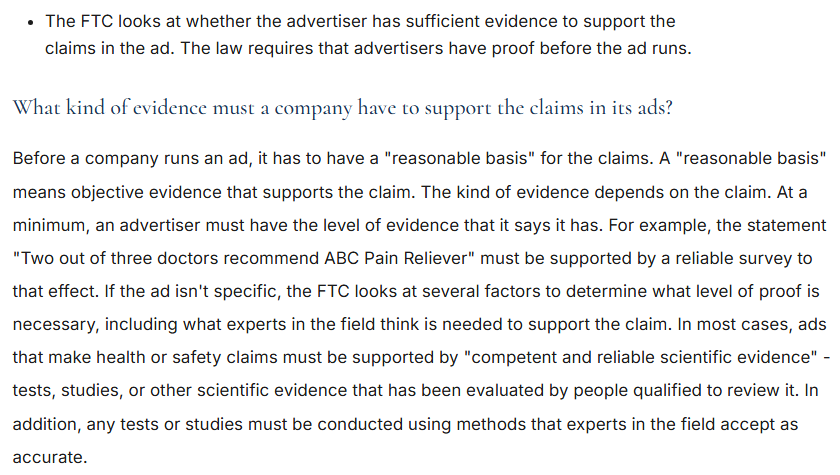
Superlatives are where a crypto company boilerplate gets people in trouble. Here’s what the FTC’s advertising guide says: advertisers need proof before the ad runs, a reasonable basis built from objective evidence. Now, a boilerplate isn’t a banner ad. But it’s repeated on the website, in every release and in the kit. That’s a marketing claim by any other name. Treat it like one.
Here’s a test that works. Take every largest, fastest, first and most secure, and hunt for a dated public source. Nothing turns up? Delete the word. Sometimes a claim is true but narrow, and then the narrow version wins. Even Circle’s phrase about the world’s largest stablecoin network shows why, since a reader will want the metric behind it.
Entity and Licensing Lines
Reporters and compliance teams both hunt for the legal name and jurisdiction. State them. Hold a licence? Name the regulator and the activity it covers, and don’t hint at a licence where there isn’t one. Stablecoin projects get extra limits, covered in the wording rules for stablecoin issuers.
Three Weak Boilerplates, Rewritten
Here are three invented examples, no real company behind any of them. Number one calls a project the leading, most secure, fastest-growing platform revolutionizing finance. Rewrite it: the project builds a lending protocol on a named chain. Then add the amount processed since a launch month, per a public dashboard.
Number two brags about partnerships and names none. Swap it for one named, approved integration and its date. Number three is two hundred words of roadmap. Cut it back to what exists today, and move the plans into the release body, where forward-looking wording can be handled with care.
When to Update It
Review the crypto company boilerplate every quarter. Do it again after a funding round, a licence, a product launch or a leadership change. Wire services and media kits keep old versions alive, though, so update every copy, not only the website. A broader release walkthrough and examples of releases that earned coverage show where the paragraph sits.
Keep a version log: the date of each change and the reason for it. When a reporter quotes an old figure, you’ll know which version they saw. Store the current text on your press page. Everyone then pulls from one source.
Crypto company boilerplate: review check
Tick each line before the paragraph is approved.
NCA writes and audits boilerplates for crypto projects, testing each claim against its source. Ask for a boilerplate review before the next release goes out.