

Crypto newsjacking has a bad reputation, and mostly it’s earned. A big story breaks, ten projects send a comment that says nothing, and reporters delete all ten. The few that get used share one trait: they add something checkable, quickly.
This post lays out a two-hour response process for teams that want to be one of the few. It also covers when to stay quiet, which is more often than most teams think.
When Crypto Newsjacking Is Worth Doing
Press Gazette’s roundup of PR experts cites a 2022 New Statesman Media Group survey that ranked newsjacking the least unethical marketing practice among those tested. That’s a low bar, though, and the same piece warns that companies can look insincere or exploitative when they jump on the wrong story.
So the test for crypto newsjacking isn’t whether you can comment. It’s whether you can add something accurate, relevant and sourceable before the window closes. If the answer is no, skip it. A forced link between your product and the news is spotted immediately.
Sources That Surface a Story Early
For crypto newsjacking, don’t rely on the front page of a news site. By then it’s late. Watch primary sources: regulator releases, court dockets, exchange notices, project announcements, and data dashboards. Set alerts for your beat and keep the list short enough that you’ll read it.
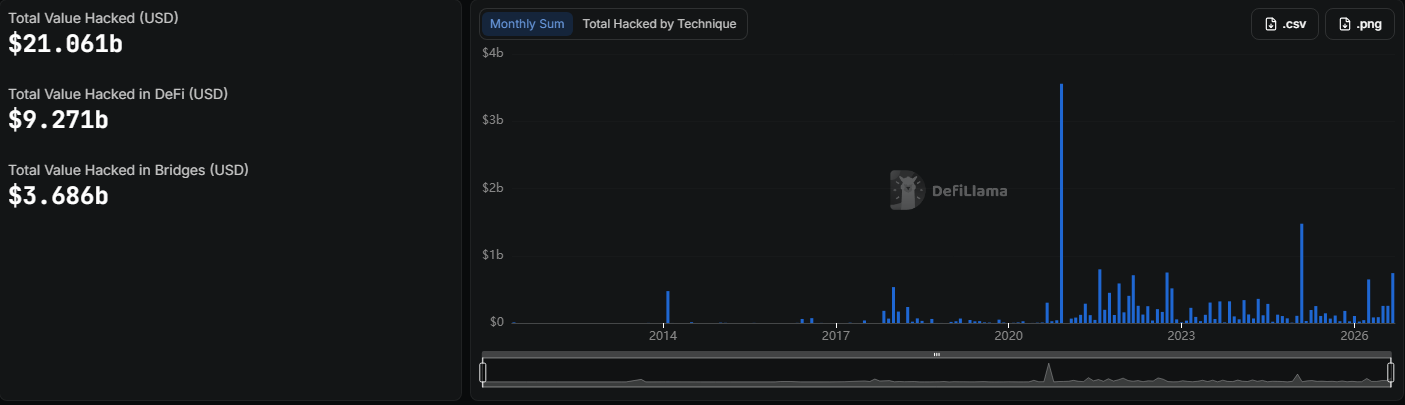
A dashboard like this one is a good example of a source that can back a comment. It lists incidents with dates, amounts, classifications and techniques, and shows total value hacked across all time. Your own data can play the same role, if you have it. For how editors weigh such stories, see the newsroom decision guide.
A Two-Hour Crypto Newsjacking Workflow
Minute zero to fifteen: confirm the story from two independent sources and decide yes or no. Minutes fifteen to forty-five: find the one fact or number you can add, and trace it to its origin. Then draft three to five sentences, no more.
Minutes forty-five to ninety: approvals. Spokesperson, then legal if the topic touches regulation or a named company. Minutes ninety to one-twenty: send to a short, targeted list with a plain subject line, and post a version on your own channels only after reporters have it. Reporters check claims, as this verification piece explains, so attach the source.
Credible Data Points for Crypto Newsjacking
Good additions to crypto newsjacking are narrow. A figure from your own platform, a pattern you’ve seen on-chain, or a plain explanation of how a mechanism works. Bad additions are opinions on price, predictions, and comparisons that flatter you.
Quote rules still apply, as the quote drafting guide shows, and responding on a thread of source requests follows the habits in the expert-request platforms review. Send to reporters who already cover the beat, using a vetted contact list.
Cases to Stay Out Of
Crypto newsjacking should stay out of anything involving victims. If a hack drained users’ savings, a clever comment is the wrong move. Stay out when your company is a party to the story, since that needs a statement, not newsjacking. And stay out when you can’t verify the facts. If you’ve had your own incident, the post-mortem guide is the right tool.
Scheduled events are different. A central bank decision or a court date is known in advance, so you can prepare. A timing guide for central bank days covers that case.
Approval Shortcuts That Don’t Cut Corners
Pre-agree three things before you need them, since slow approval kills crypto newsjacking: who can approve in under twenty minutes, which topics always need legal, and a standing list of banned phrases such as guarantees or price calls. Pre-approved background facts help too, like your own platform stats, refreshed monthly.
Crypto newsjacking: two-hour clock check
Confirm each line before sending a reactive comment.
NCA helps crypto teams build a reactive comment routine, including source alerts, approval roles and a bank of pre-cleared facts. Ask for a two-hour clock template and we’ll adapt it to your beat.