

Crypto market cap PR gets harder during a rally, not easier. Here's why a busy news cycle actually buries most project pitches.
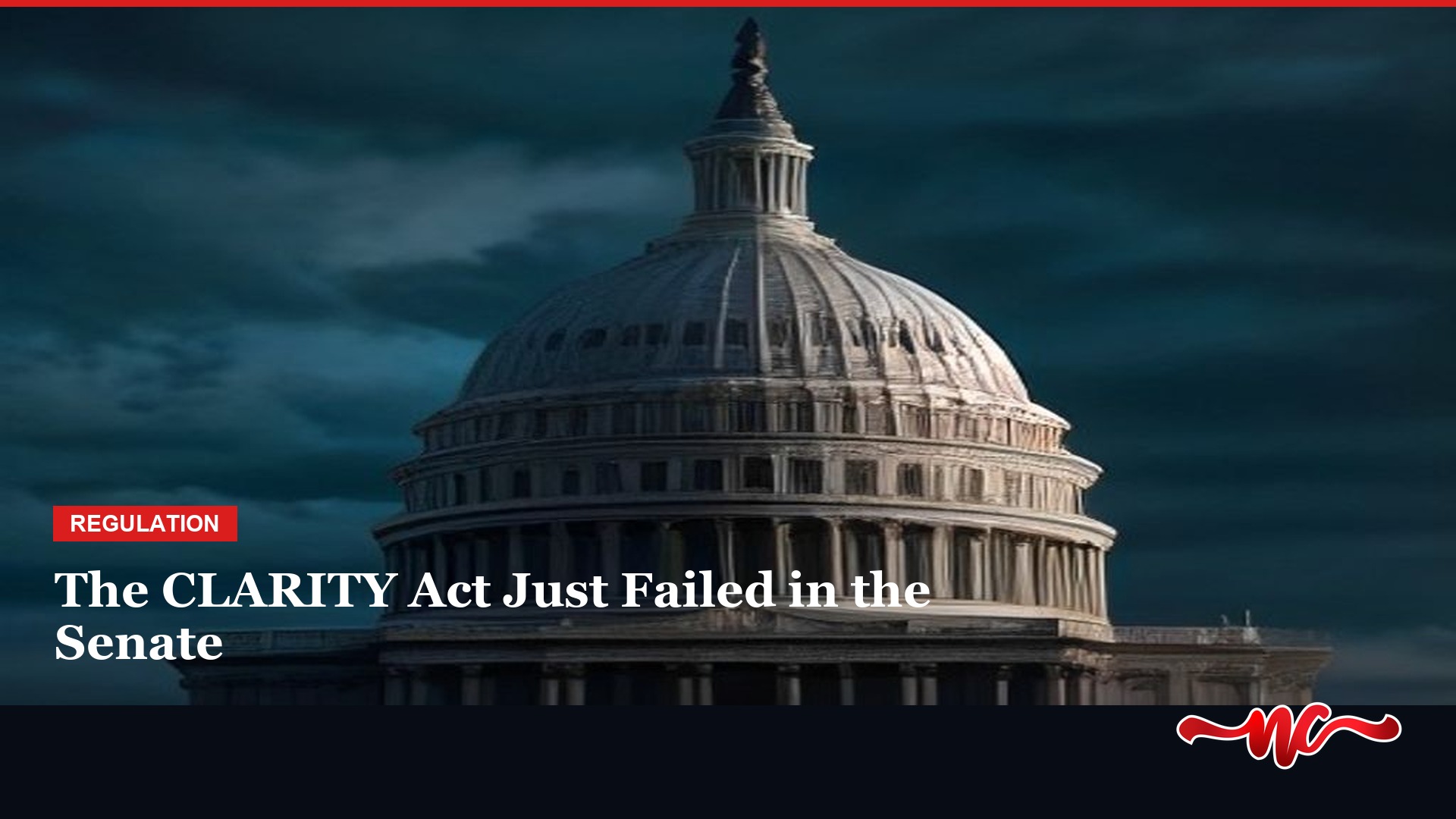
Clarity Act crypto PR needs new language now. The bill missed its Senate cloture vote. Here's what that failure changes, and doesn't.

Institutional crypto PR looks different now that spot Bitcoin ETF assets crossed $100 billion. Here's what actually changes for a project's pitch.

AI agents are pitching journalists on their own now, not just drafting emails for a human to send. Here's where that helps a crypto project, and where it backfires.

Crypto micro-influencers now out-engage mega KOLs by 5x per dollar. Here's what that shift actually means for how a project should spend its budget.

A written quote can be revised before it's sent. Two hours on a podcast like Bankless or Unchained can't be, which is exactly why most founders need training first.

EigenLayer turned restaking into DeFi's fastest-growing niche, and most of the coverage still gets the risk story wrong. What a restaking PR pitch has to get right instead.
A booth at Consensus or Token2049 costs real money and produces mostly foot traffic. Here's where the actual ROI at a crypto conference tends to come from instead.

Most DAO votes see a small fraction of eligible tokens participate. The proposal writing itself is usually why, not apathy.

LayerZero's 2024 airdrop asked farmers to self-report or face exclusion, and thousands did. What that says about designing an airdrop's messaging from day one.